
Produce & supply
Solar and the grid can supply the site directly according to the electrical configuration.
Stationary batteries, solar and energy controls: we help structure an initial BESS feasibility assessment around actual operations before choosing equipment.

Solar, the grid and battery storage can work together, but only when the site’s load profile and electrical design justify it. Here is a simple view of the main paths.
A BESS may serve different purposes. Its value depends on electricity tariffs, operating schedules, critical loads and site constraints.
Examine the mismatch between photovoltaic generation and demand to assess whether shifting surplus energy may help.
Review demand peaks and applicable billing rules to see whether peak shaving creates real value.
Identify critical loads and required backup duration; this use requires a specifically engineered architecture.
Review machinery cycles, compressors, cold rooms and start-up loads.
Compare consumption profiles and operating constraints to assess possible charge-discharge strategies.
Consider solar, storage and other supply sources where appropriate.
Battery capacity in kWh alone is not enough: electrical power, use cases and on-site constraints matter just as much.
Bills, hourly consumption, seasonality, machine schedules and maximum demand.
Converter power in kW, usable energy in kWh, autonomy and discharge limits.
Grid supply, existing solar equipment, protections, transformer, connection and operating modes.
Installation conditions, thermal control, access, fire precautions and qualified technical validation.
EMS strategy, maintenance, warranties, load management and operating responsibilities.
Capital costs, efficiency, degradation, maintenance, actual tariffs and scenario testing.
kW measures instantaneous power output. kWh measures usable energy over time. Both need to be sized with losses and reserves in mind.
Instantaneous power the system can provide.
Usable energy available over a period of time.
Illustrative example only: supplying a steady 100 kW load for 2 hours requires 200 kWh of delivered energy. Required nominal capacity is generally higher once losses, reserves and aging are considered. This is not a design recommendation.
Clarify the activity, objectives, site and energy information available.
Study load profiles and identify any additional measurements needed.
Have the electrical architecture, safety and compliance reviewed by the appropriate technical specialists.
Compare realistic options, economic assumptions, responsibilities and maintenance scope.
Helio Core coordinates preliminary assessment and opportunity qualification. Detailed engineering, regulatory validation and specialized works are handled by appropriately qualified professionals depending on the project. No savings or manufacturer partnership is guaranteed by this page.
No. Tariffs, demand profile, losses, lifecycle costs and use cases must be examined. Storage may instead be justified by continuity needs.
Not necessarily. A BESS can be assessed with or without solar; the right setup depends on site conditions and applicable rules.
That depends on power, operating duration, reserve margin, technology and actual load profile. A monthly bill alone is not enough.
Equipment can be assessed against project requirements and supply conditions, subject to technical and commercial validation.
Six practical BESS resources: factory sizing, cold-chain storage, industrial economics, grid flexibility and Morocco’s electricity rules.
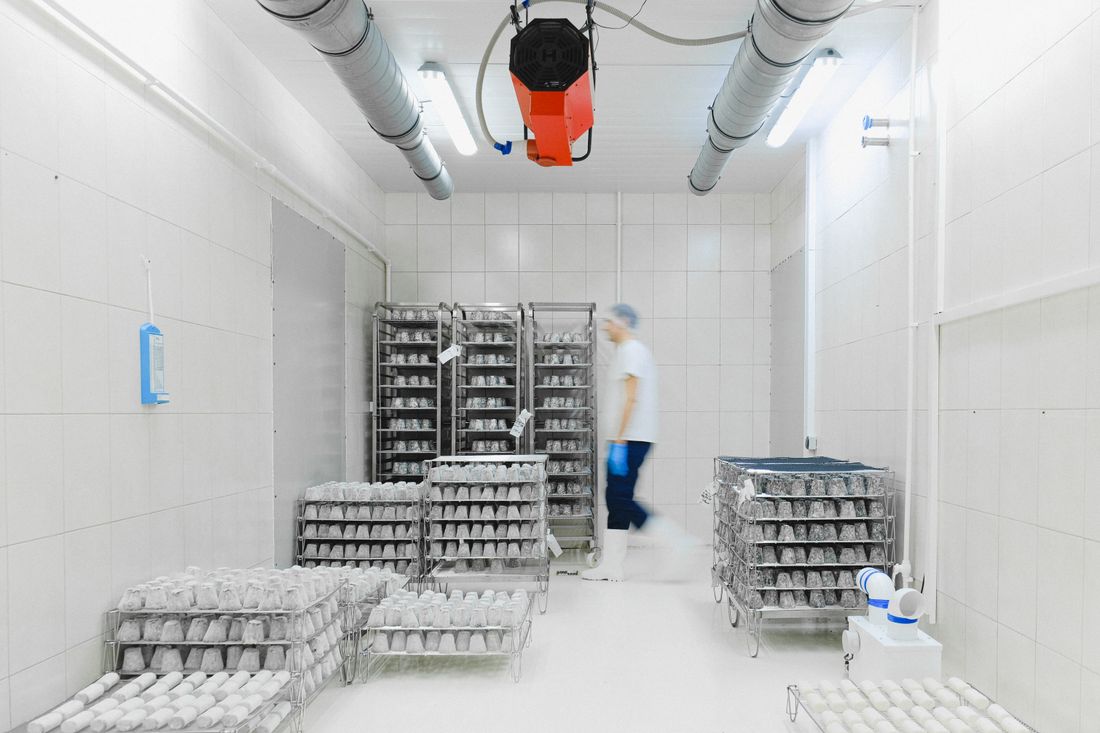 COLD-CHAIN OPERATIONSCold-storage BESS in Morocco: when is it worthwhile?Read the guide
 FEASIBILITY GUIDESizing a factory BESS: power, energy and project costsRead the guide
 INDUSTRIAL ECONOMICSBESS and industry: where is the value?Read the article
 GRID & FLEXIBILITYStorage and grid flexibilityRead the article
 2030 OUTLOOKMorocco's storage value chainRead the article
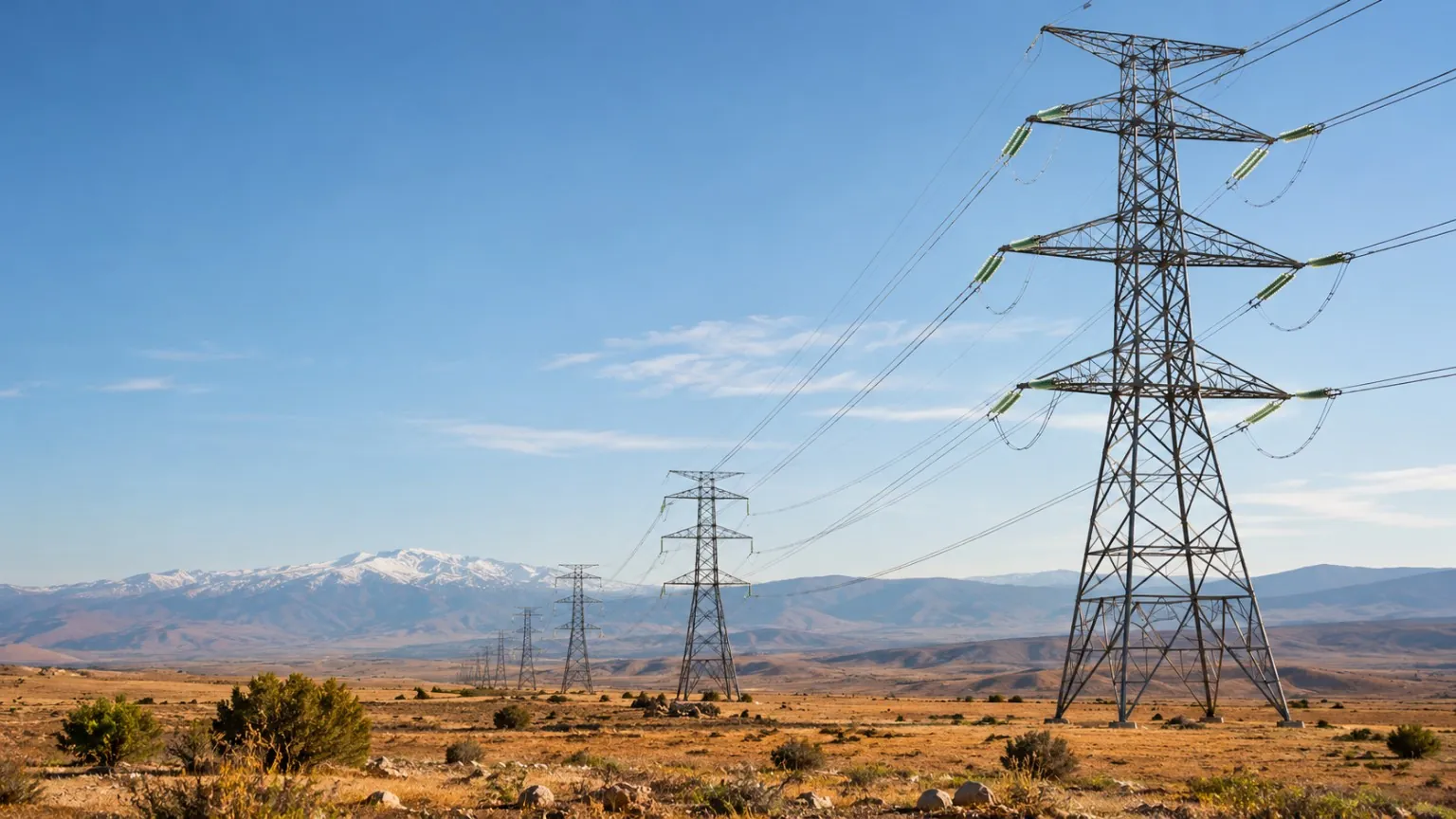 REGULATION & TARIFFSMorocco's ANRE electricity tariff decisionsRead the article
Documentary image credits: Yan lance · CC0 · Kecko · CC BY 2.0 (license, thumbnails may be cropped) · Sig. Chiocciola · CC0. Third-party installations and equipment. Additional guide images: Anna Shvets · Pexels (licensed use) (cold chain) and Yan lance · CC0 (another BESS cabinet).
Tell us about your operations, electricity use and objectives. We will identify the information needed for an initial assessment, without assuming storage is financially viable.
Stationary batteries, solar and energy controls: we help structure an initial BESS feasibility assessment around actual operations before choosing equipment.