
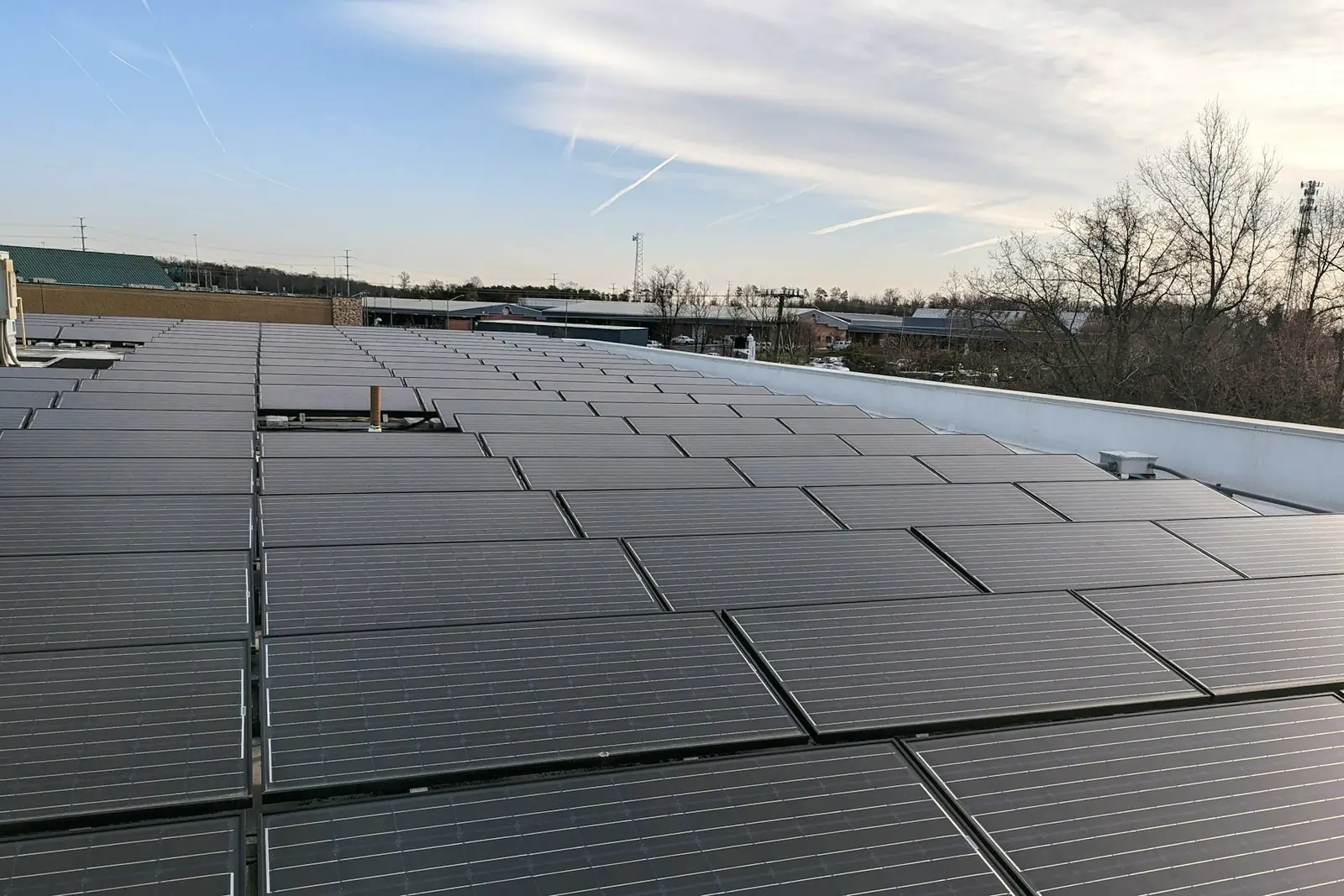
Installing solar panels at a factory in Morocco involves more than filling the available roof space. A commercial and industrial PV system should match production schedules, electrical demand, the electricity supply contract and operational constraints. These factors determine whether a project makes sense.
This guide outlines what factory managers, technical teams and financial decision-makers should evaluate before selecting PV capacity, inverters or optional battery storage.
Why factories need a site-specific solar study
Production lines, motors, air compressors, refrigeration systems, ventilation and auxiliary equipment do not necessarily operate simultaneously. A single-shift factory has a different load profile from a site running two or three shifts or operating continuously.
Solar generation also changes during the day and across seasons. Comparing a monthly electricity bill with annual solar production is not enough to size a plant correctly. The feasibility study should match estimated generation to when the factory actually uses electricity.
What information should be collected first?
For an initial feasibility assessment, gather:
- Electricity bills and the supply contract, including the relevant tariff structure and subscribed capacity.
- Operating schedules, including shifts, planned shutdowns, maintenance periods and seasonality.
- A load profile, ideally hourly or sub-hourly readings; otherwise determine whether measurements are needed.
- An equipment inventory, covering motors, refrigeration, compressed air, production equipment, lighting and auxiliaries.
- Building information, including roof plans, structural condition, shading, access and safety requirements.
- Electrical information, such as the distribution diagram, existing protection and proposed connection point.
A technical visit should validate key assumptions. Roof area alone cannot establish a reliable PV capacity.
How should different PV system sizes be compared?
An effective study compares multiple scenarios rather than automatically choosing the largest system. One scenario may prioritize electricity used during operating hours; another may consider a larger system but higher potential surplus.
Each option should document:
- Proposed solar capacity in kWp and estimated generation under site-specific conditions.
- Expected on-site consumption of solar energy and potential unused production.
- Roof, structural, electrical-safety and grid-connection constraints.
- Investment, monitoring, maintenance and operating costs.
- Financial assumptions and sensitivity to changing shifts, tariffs and production volumes.
The largest plant is not necessarily the most economical. Exporting excess electricity must not be assumed to be permitted or compensated without checking the applicable rules, network conditions and contracts.
A transparent modelling reference: the European Commission Joint Research Centre's PVGIS provides solar resource and photovoltaic generation estimates for specified locations and system assumptions. It is a starting input, not a substitute for factory load measurements, site shading and structural checks or grid-connection analysis. A sound feasibility study documents data sources, loss assumptions and calculation limits.
Industrial roofs: five practical considerations
Before installation, the technical team should evaluate load-bearing capacity, roof material, shading, fastening methods and safe access for future maintenance. Fire considerations, earthing, electrical protection and operational safety also matter.
Construction planning should minimize disruption to the factory. Structural calculations and electrical designs require validation by qualified professionals before final implementation.
Does a factory need batteries?
Not automatically. Storage may warrant consideration when important loads operate after sunset, tariff arrangements reward shifting energy use, or specific processes require backup power.
Maximizing self-consumption, reducing demand peaks and providing backup power are different objectives that may need different designs. A battery alone does not guarantee uninterrupted power.
Explore our related article on industrial battery storage and competitiveness in Morocco.
How should savings and payback be assessed?
A financial assessment should use the actual applicable tariffs, expected self-consumed electricity, system losses, operating limitations, maintenance costs and future expenditure. Compare multiple scenarios instead of promising a fixed payback from one electricity bill.
For facilities with substantial refrigeration loads, see our guide to solar power for cold-storage facilities in Morocco.
What happens after commissioning?
PV is a long-term operating asset. Performance monitoring, periodic inspection, preventive maintenance and corrective interventions should be considered during project planning, not after the system is installed.
Learn more about our solar operations and maintenance (O&M) approach.
Frequently asked questions
Should solar cover a factory's total electricity demand?
Not necessarily. System size should follow the actual load profile and commercial goals. Oversizing can lead to more electricity being generated when it is not needed on site.
Can a final quotation be prepared from electricity bills alone?
Bills are useful for initial screening. A reliable technical proposal may also require site measurements, a visit, a roof assessment and an electrical review.
Can a solar plant supply a factory at night?
Solar panels do not produce electricity at night. Overnight supply needs another source and potentially a properly sized storage system, depending on the loads and desired autonomy.
When does an industrial solar project need battery storage?
Not every factory will benefit from a BESS. Our practical guide to industrial BESS sizing in Morocco explains the difference between power and energy, which load data matters and how to test the business case before selecting equipment. Explore our industrial energy storage solutions in Morocco and, if you can provide load data, request a BESS pre-assessment.
Plan an industrial solar project with Helio Core
Helio Core Technologies supports commercial and industrial projects in Morocco through initial demand assessment, site-specific feasibility checks, equipment integration and maintenance planning appropriate to each project.
To get started, prepare recent electricity bills, operating schedules and available roof plans. These help determine the most useful next measurements and site checks.
Request a site assessment or explore our commercial and industrial solar solutions.
Informational guide only. Generation, savings, permits, connection conditions and payback are not guaranteed without a project-specific study and verification of applicable requirements.
Planning a solar project?
We visit your site anywhere in Morocco and give you a written file.
Request a site study